Summary
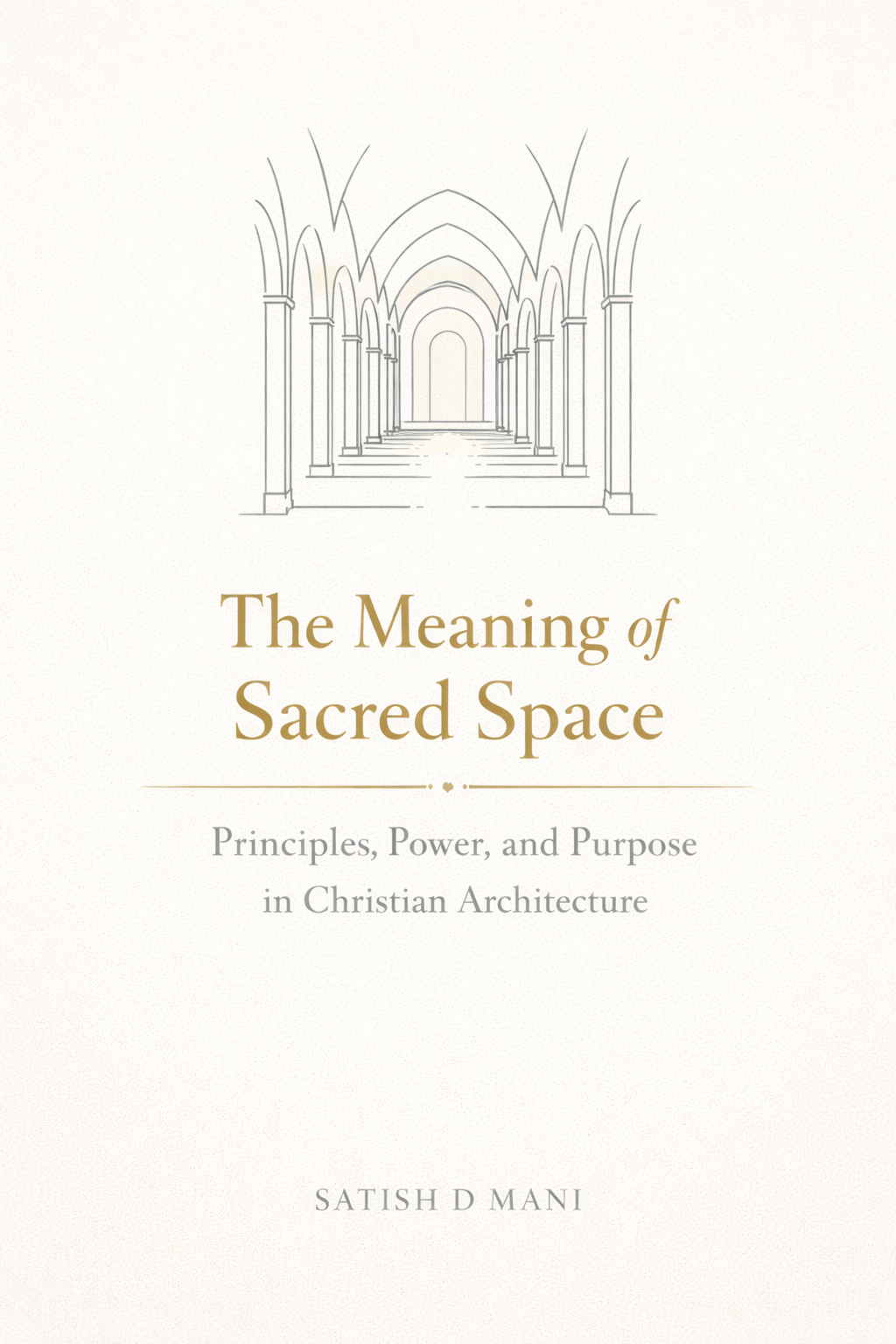
While churches can be classified by style, they are ultimately defined by meaning. The Meaning of Sacred Space moves beyond historical chronology to explore the deeper principles that govern Christian architectural design. This volume examines how light, proportion, ornament, acoustics, and spatial hierarchy shape worship and belief. It investigates the symbolic language embedded in church decoration, the political and theological implications of church–state relationships, and the ways architecture communicates authority, humility, transcendence, and community. Contemporary challenges—sustainability, modern materials, and evolving liturgical practices—are addressed alongside timeless questions of sacred presence and human experience. By integrating theology, design theory, and cultural history, this book reveals churches not as static monuments, but as active participants in spiritual formation. The Meaning of Sacred Space invites readers to see Christian architecture as an intentional dialogue between heaven and earth—where form serves purpose, and space becomes sacrament.
Chapters
1 – The Origins of Christian Church Architecture
2 – The Elements of Church Design
3 – The Role of Light in Church Architecture
4 – The Significance of Church Decoration
5 – Church Design and Acoustics
6 – The Evolution of Church Architecture in Different Regions
7 – Contemporary Church Design
8 – The Intersection of Church and State
9 – The Sustainability of Church Architecture
10 – Church Architecture and the Future