Man’s Sinfulness and Woman’s Sinlessness: Chapter 4: Our First Generation — Eve, Adam, and the Entry of Sin
admin
·
·
4 min read
Returning to Genesis with Structural Precision
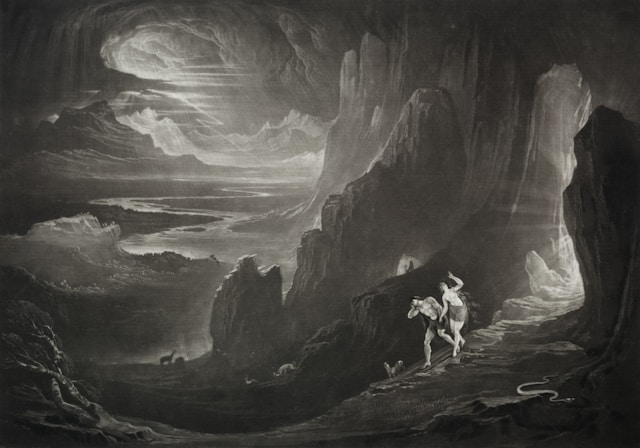
The Genesis account of the fall is among the most familiar passages in Scripture, yet familiarity often obscures detail. When read without attention to structure, the narrative collapses into a simple sequence: Eve sins, Adam sins, humanity falls. While factually correct, this reading misses the theological architecture embedded in the text. When Genesis is reread through the lens of sin as a process—recipient, carrier, and progressor—the narrative reveals a deliberate asymmetry. The order of events matters, but the function of each act matters more.Eve: Deception and Reception
Eve’s encounter with sin begins not with rebellion, but with deception. The serpent does not deny God outright; it reframes God’s command, introducing doubt where clarity had existed. Eve responds within this distorted frame. Several theological features are worth noting:- Eve is addressed independently, but not authoritatively.
- She does not receive the command directly from God, but through Adam.
- Her sin arises from deception rather than defiance.
Adam: Knowledge and Transgression
Adam’s act is categorically different. He is neither deceived nor confused about the command. He receives the fruit knowingly, in the presence of full awareness. This difference is not psychological; it is theological. Adam’s transgression is:- Deliberate rather than deceptive
- Representative rather than personal
- Transformative rather than isolated
“Through One Man Sin Entered the World”
This statement is not metaphorical. It is explanatory. The apostolic witness does not say that sin entered through humanity, or through disobedience generally, or through a couple acting jointly. It specifies one man. This specificity demands interpretation, not dismissal. Adam functions as:- Federal head of humanity
- Source of generational continuity
- Agent through whom death becomes universal
Why Eve Is Not Named as the Entry Point
If Eve had been the progressor of sin, several consequences would follow logically:- Sin would be transmitted through the woman.
- Lineage would be traced maternally.
- Redemption would require a sinless woman.
The First Generation as Pattern, Not Exception
Adam and Eve are not merely the first humans; they establish the pattern by which humanity unfolds. From this first generation onward:- Sin no longer requires deception to propagate.
- Death becomes universal.
- Humanity is born into a condition it did not choose.
The Immediate Consequences: Shame, Separation, and Death
Both Adam and Eve experience the effects of sin immediately:- Awareness of nakedness
- Shame and concealment
- Fear in the presence of God
Why This Distinction Matters Going Forward
Without recognizing the asymmetry of the first generation:- Cain and Abel become unintelligible.
- The curse becomes arbitrary.
- The virgin birth becomes merely symbolic.
- Redemption loses its precision.
Looking Ahead to the Curse
The next chapter will examine God’s response—not merely as punishment, but as diagnosis. The curses spoken over Eve and Adam differ in substance, scope, and implication. Those differences will further clarify why sin progresses as it does. The fall explains what happened. The curse explains why it persists.
A
admin
Writer at SpaceGaps. Exploring ideas at the edge of technology, society, and imagination.